There was a time when flawless makeup meant layers: primer, full-coverage foundation, concealer, powder, setting spray, and perhaps another powder for good measure. But beauty in 2026 has shifted decisively toward something softer, fresher, and infinitely more believable. The goal now is not perfection. It is radiance. Skin that still looks like skin, only glowier, smoother, and better rested than reality typically allows.
Enter tinted moisturizer — the hybrid complexion product that has quietly become the cornerstone of modern beauty routines.
Part skincare, part makeup, tinted moisturizer occupies that elusive middle ground between effort and ease. It delivers hydration, sheer pigment, and luminosity in a single step, creating the kind of “your skin but better” finish that makeup artists have spent years trying to perfect backstage and on red carpets alike. And unlike traditional foundation, which often aims to conceal, tinted moisturizer is designed to enhance.
But achieving that expensive-looking, lit-from-within effect depends almost entirely on application. The product itself matters, yes, but technique is what separates dewy sophistication from midday patchiness.
Skin Prep Is the Real Secret
The process begins long before the tint touches the skin. Preparation is everything. Makeup artists consistently treat tinted moisturizer less like makeup and more like the final step of skincare — which means hydrated skin is non-negotiable. A complexion layered with lightweight serums, moisturizer, and sunscreen creates the smooth canvas necessary for that signature second-skin finish.
The texture of the product should also correspond with your skin type. Dry complexions benefit from formulas rich in humectants like hyaluronic acid and glycerin, ingredients that pull moisture into the skin and maintain luminosity throughout the day. Oily or acne-prone skin, meanwhile, responds better to gel-based or softly mattifying formulas that blur shine without flattening the face entirely. Sensitive skin thrives on calming ingredients like niacinamide and ceramides, which soothe redness while reinforcing the skin barrier.
Even if a tinted moisturizer contains SPF, professionals still recommend applying a dedicated sunscreen underneath. The glow may be effortless, but the protection should never be optional.
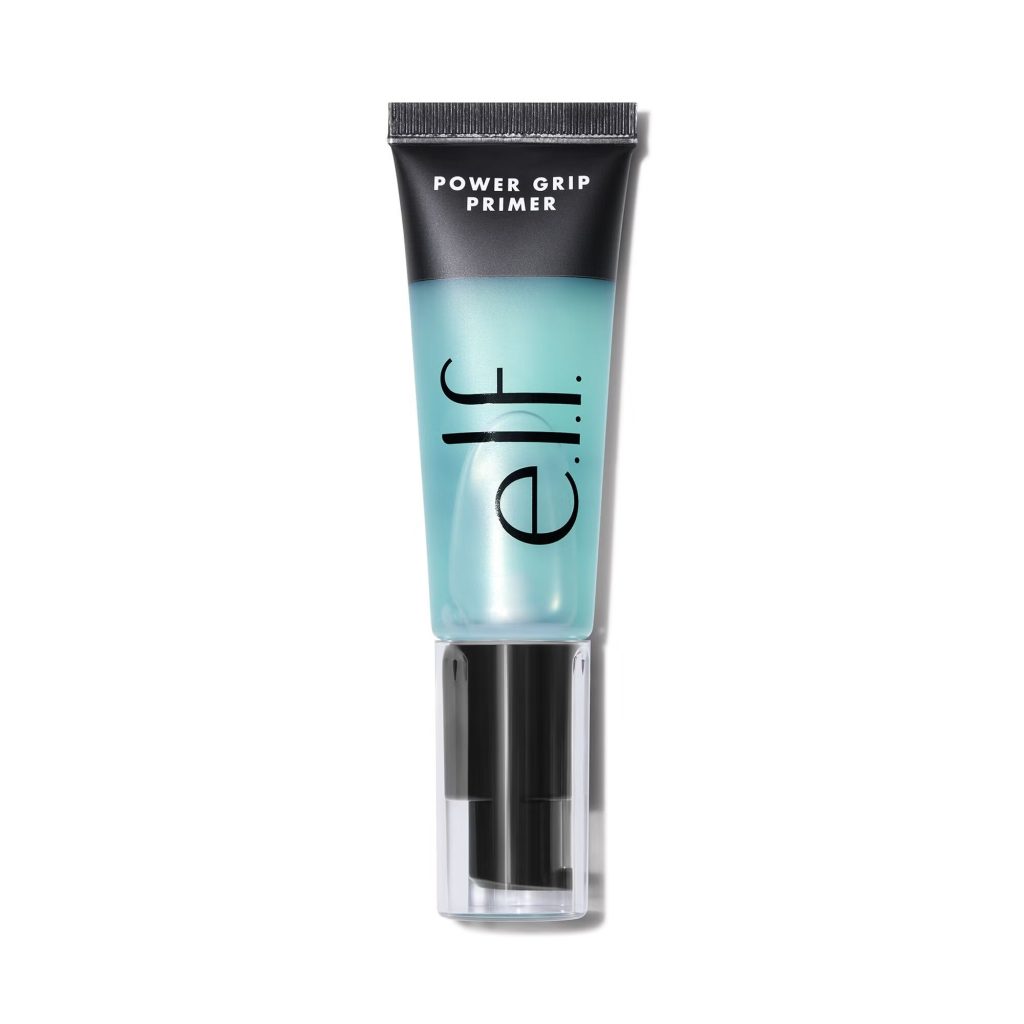
e.l.f. Power Grip Primer
Less Product, Better Skin
And then comes the application itself — arguably the most important step.
The instinct is often to apply too much product too quickly, but tinted moisturizer performs best when layered gradually. A small amount pressed into the center of the face and blended outward creates the most natural effect, mimicking real skin rather than masking it. Makeup artists often favor synthetic brushes for the initial application, using upward sweeping motions to distribute pigment evenly while maintaining glow.
Sponges, meanwhile, create an entirely different finish. Because they absorb excess product, they sheer everything out, diffusing the tint into something almost imperceptible. The result is softer, airbrushed, and particularly effective during warmer months when heavy makeup can feel oppressive.
Fingers remain the most underrated tool of all. The warmth of the hands melts product seamlessly into the skin, creating a finish that feels effortless rather than constructed. It is perhaps the most aligned with beauty’s current direction: polished without appearing overly done.
Concealer Has Become Strategic
Concealer, importantly, has not disappeared. Instead, it has become precise.
Rather than blanketing the entire face in coverage, makeup artists now use pinpoint concealing only where necessary — around the nose, beneath the eyes, over hyperpigmentation or blemishes. The skin itself remains visible, which is exactly the point.
The modern complexion is not about erasing texture or pretending pores do not exist. It is about balancing polish with realism, allowing the skin to retain movement, dimension, and life.
Powder Is No Longer Everywhere
Powder, too, has evolved. The overly matte complexions of the late 2010s have given way to targeted setting. Instead of dusting the entire face, artists now focus only on areas prone to excess shine — typically around the nose, center of the forehead, and mouth.
The cheeks are left luminous, preserving dimension and maintaining that coveted hydrated finish. The result feels fresher, younger, and significantly more modern than the flat matte looks that once dominated beauty culture.
Cream blushes and liquid bronzers often become the finishing touch, layered lightly over the skin to enhance warmth without disrupting the glow beneath.
Why Tinted Moisturizer Defines Beauty in 2026
What makes tinted moisturizer particularly compelling in 2026 is how seamlessly it fits into the broader shift happening across beauty. Complexion trends no longer revolve around looking flawless under studio lighting. They revolve around looking healthy in daylight.
The rise of glossy lips, cream blushes, brushed-up brows, and luminous skin all point toward the same aesthetic philosophy: beauty that breathes.
Even the products themselves reflect this evolution. SPF-infused formulas, skincare-forward ingredients, and breathable textures dominate the category now, blurring the line between cosmetics and skincare entirely. The modern consumer no longer wants makeup that sits on the face. They want makeup that moves with it.
And perhaps that is why tinted moisturizer continues to thrive. It asks less of the wearer. Less layering, less perfectionism, less effort. In exchange, it offers something far more contemporary: skin that looks alive.
The beauty of tinted moisturizer is not that it hides who you are. It is that it allows you to look unmistakably like yourself — only glowier.