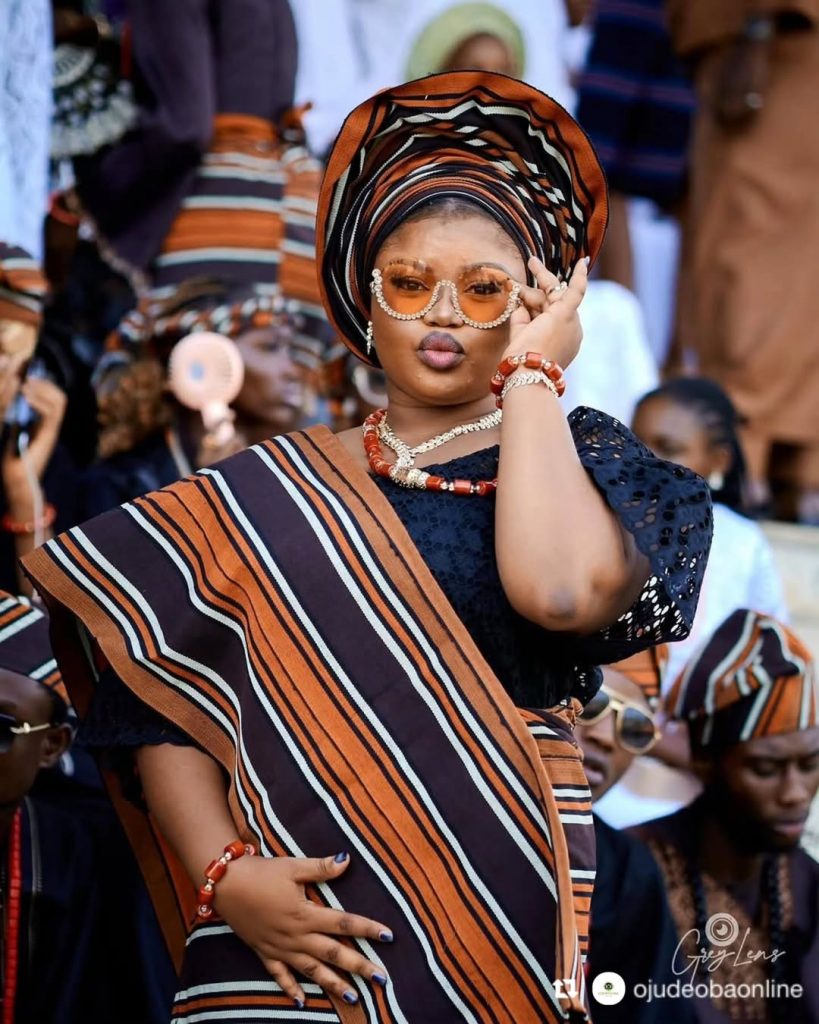
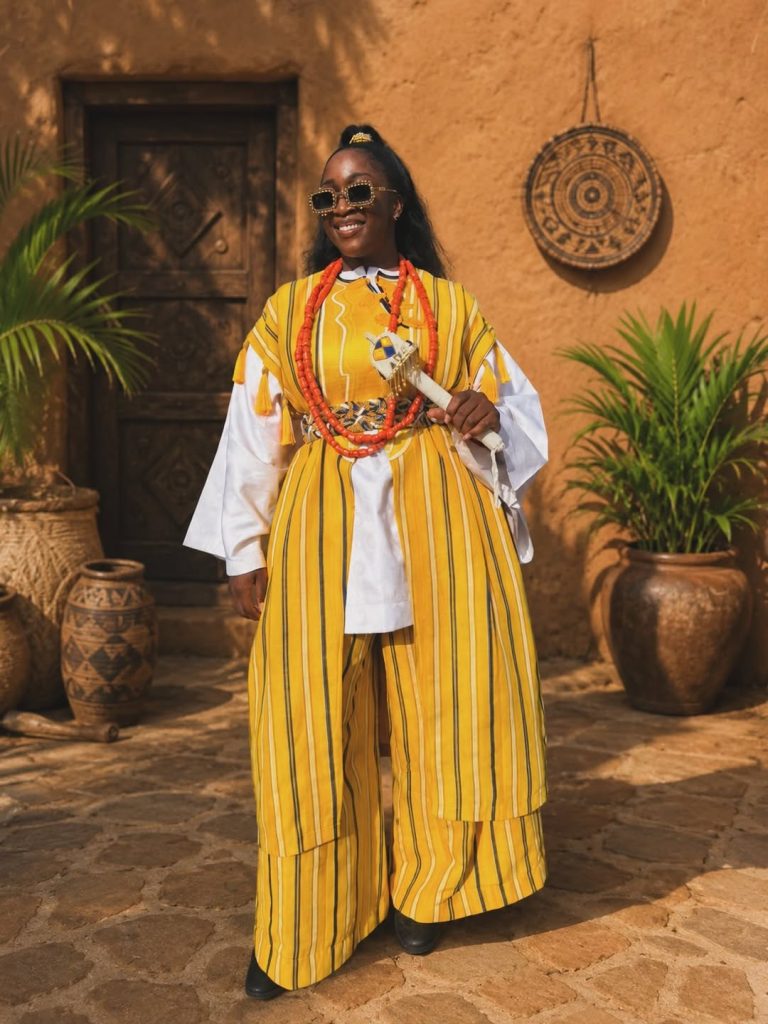
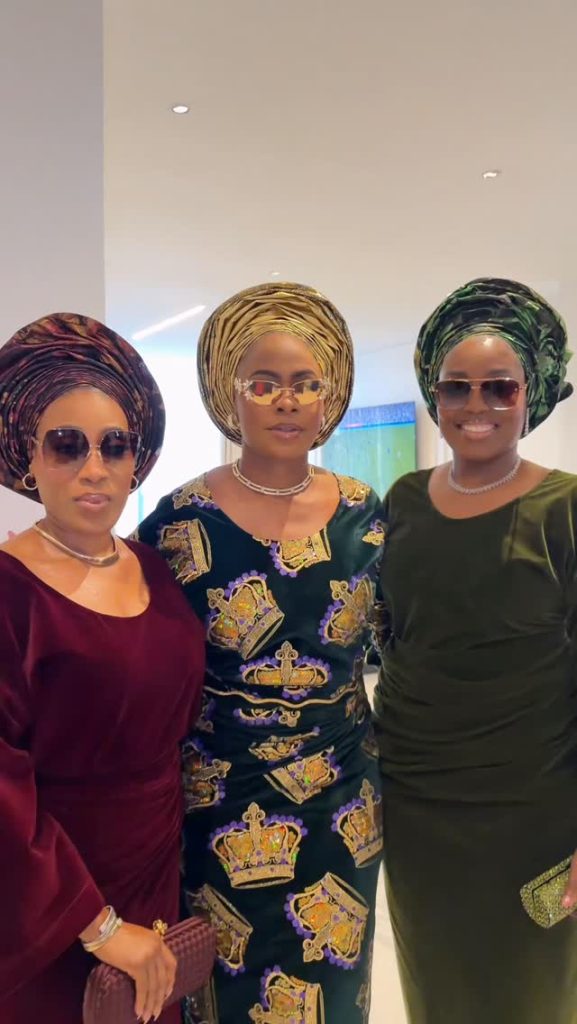
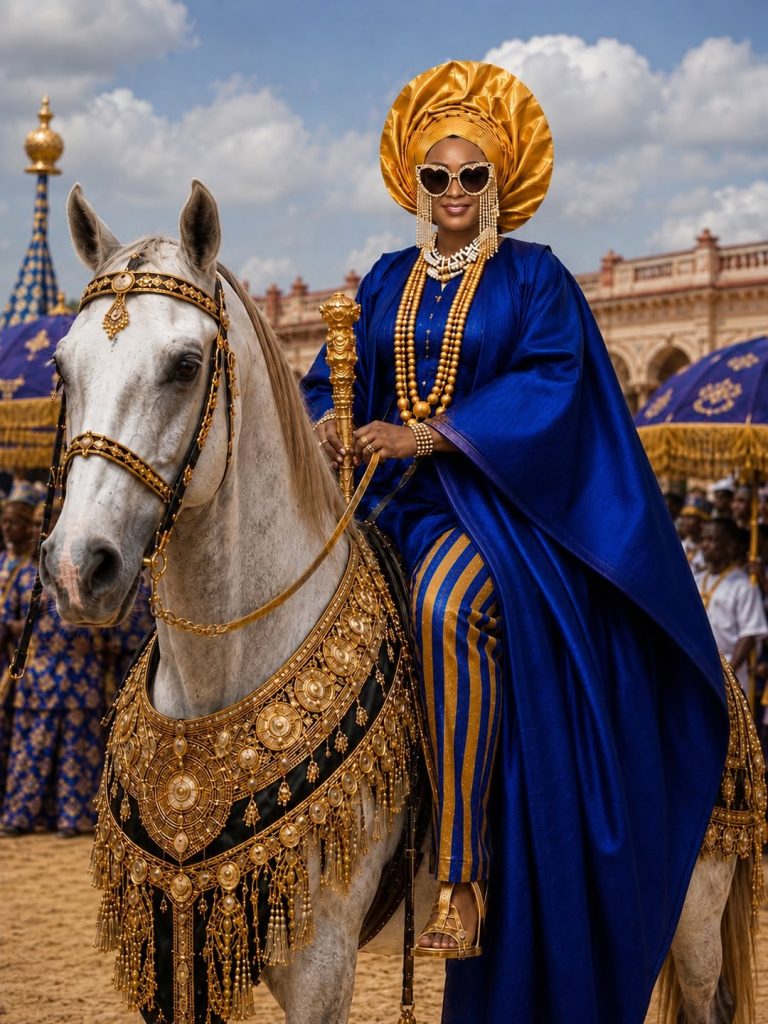
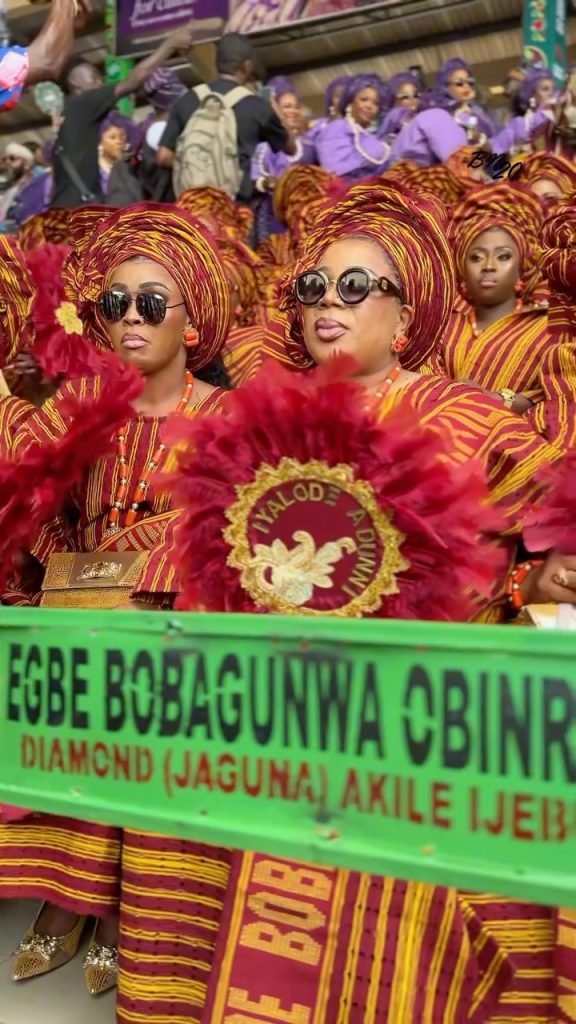
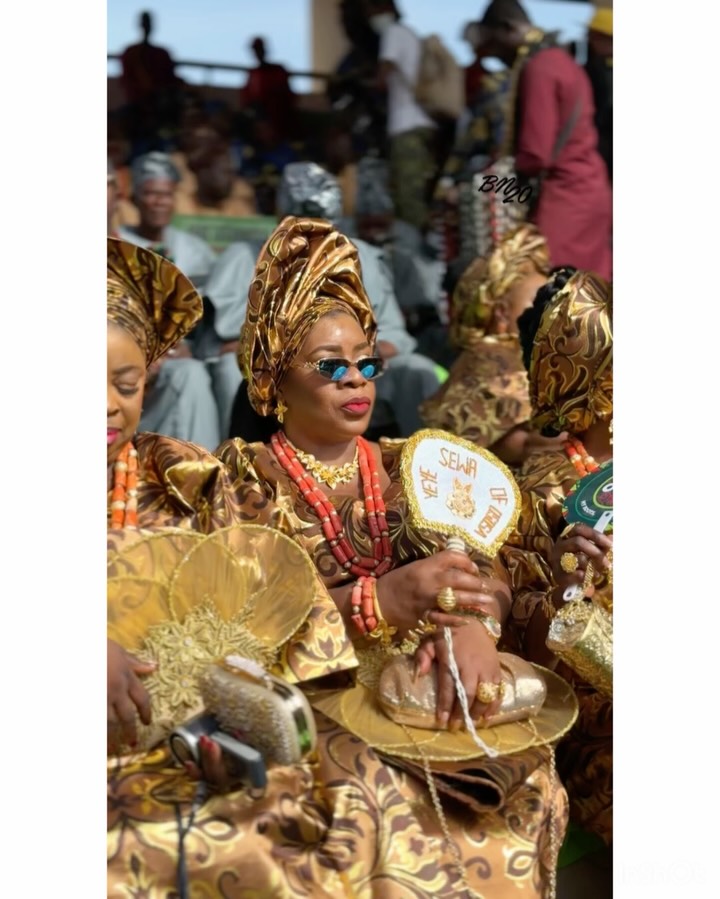
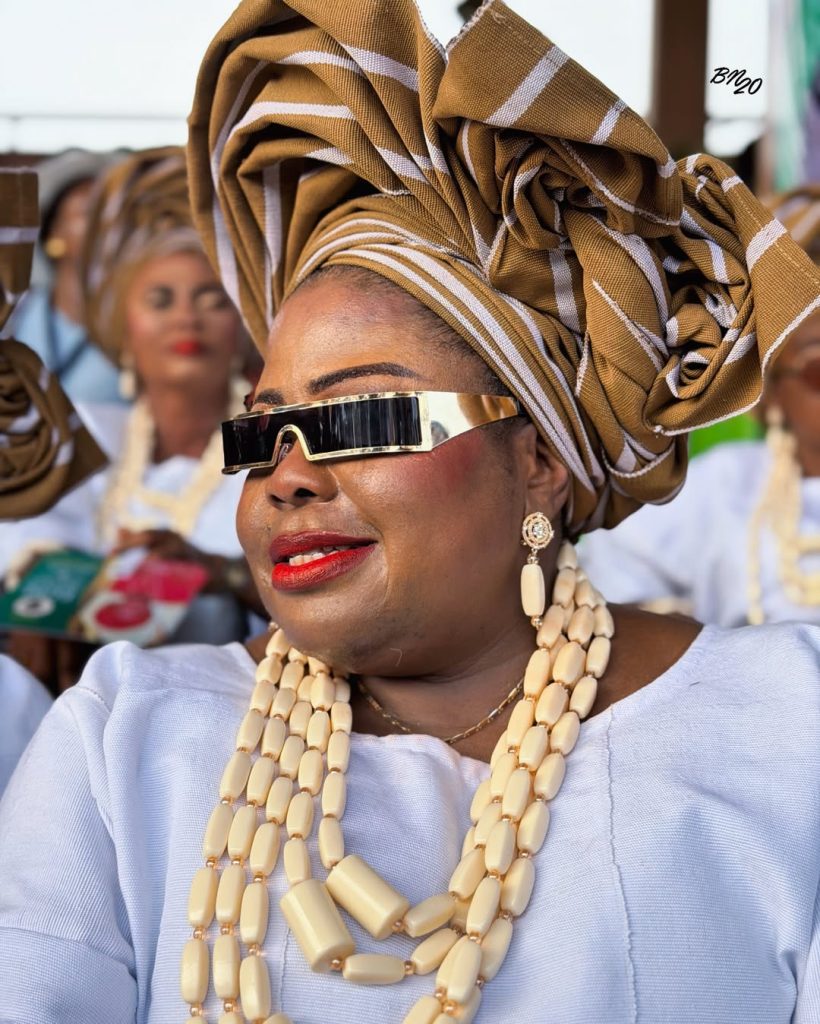
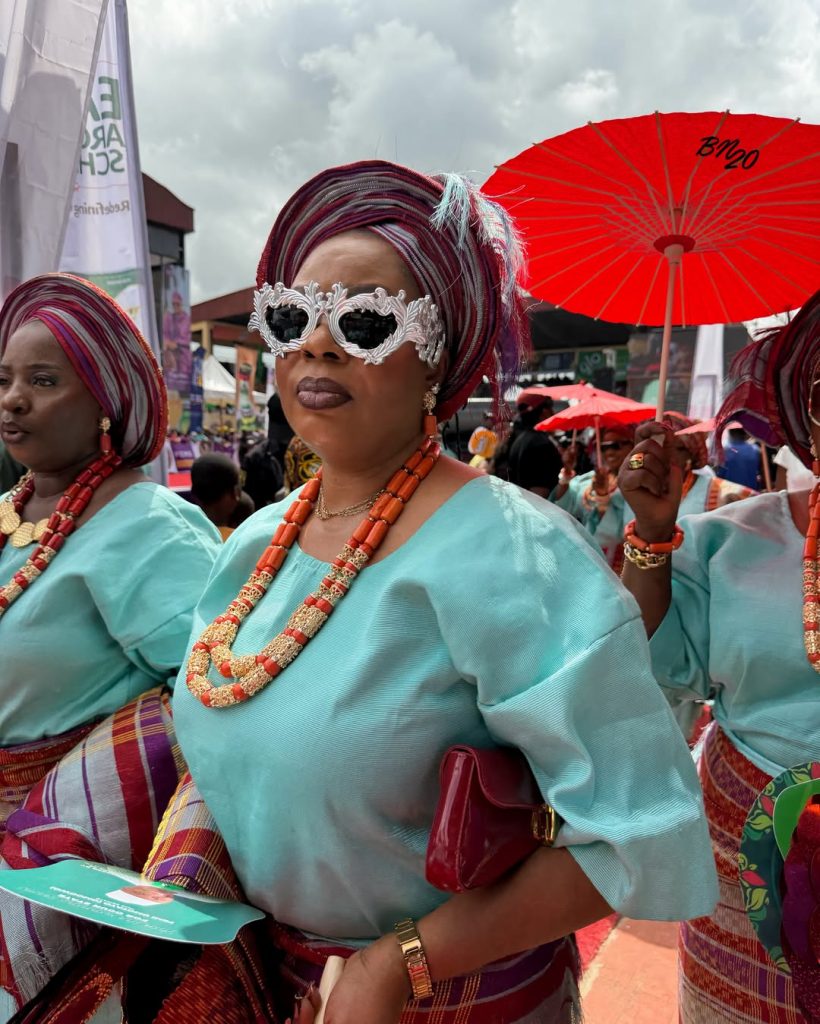
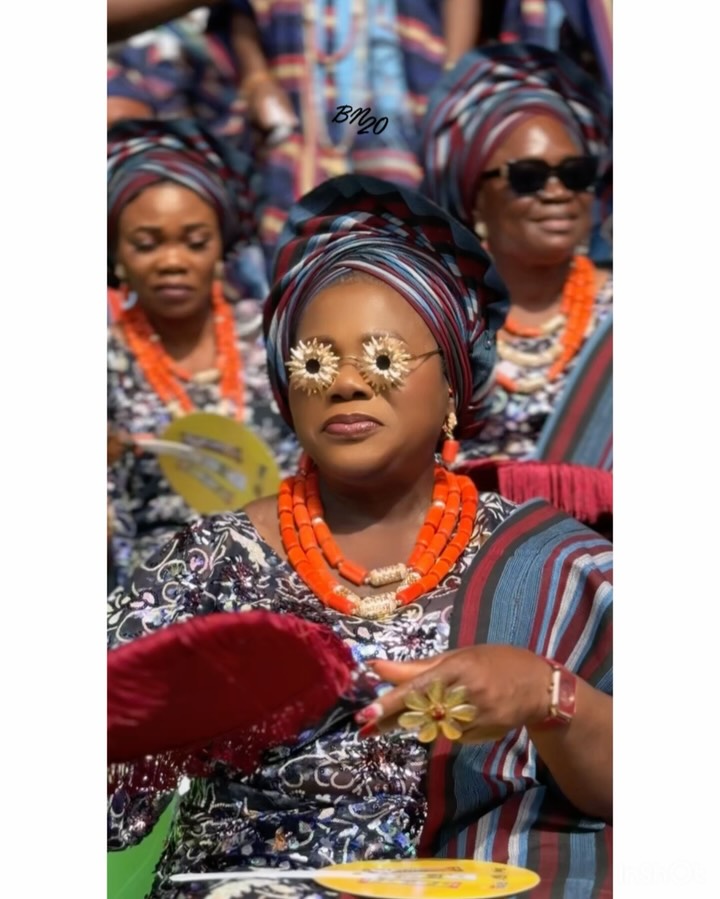
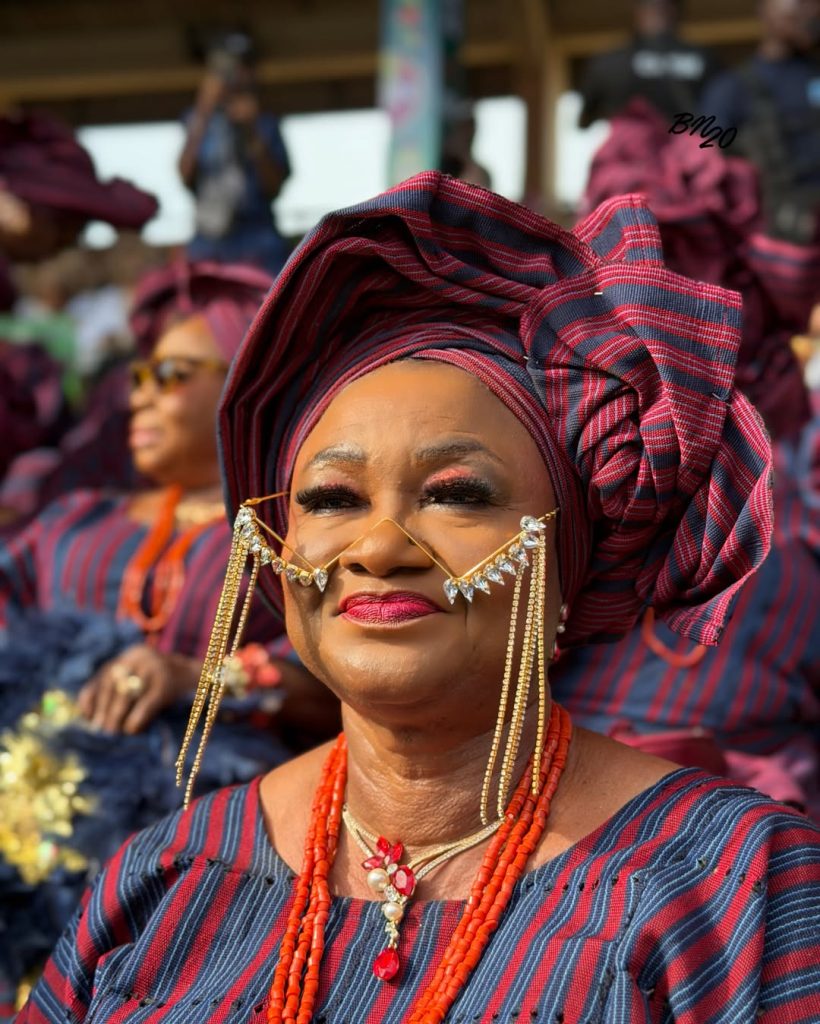
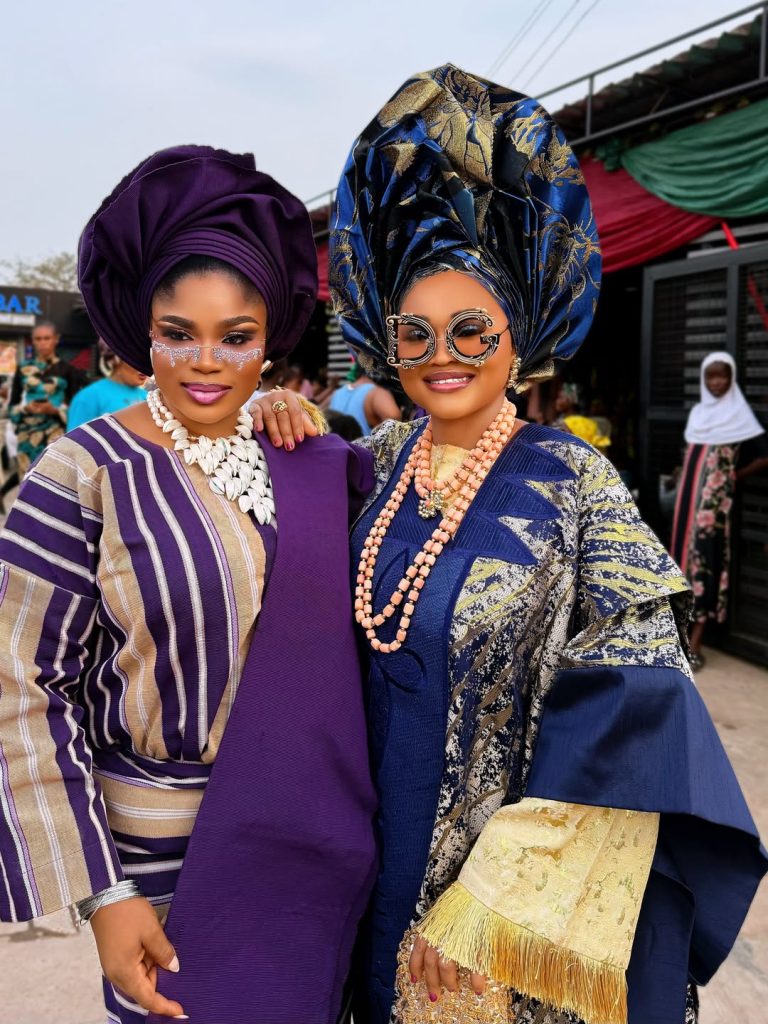
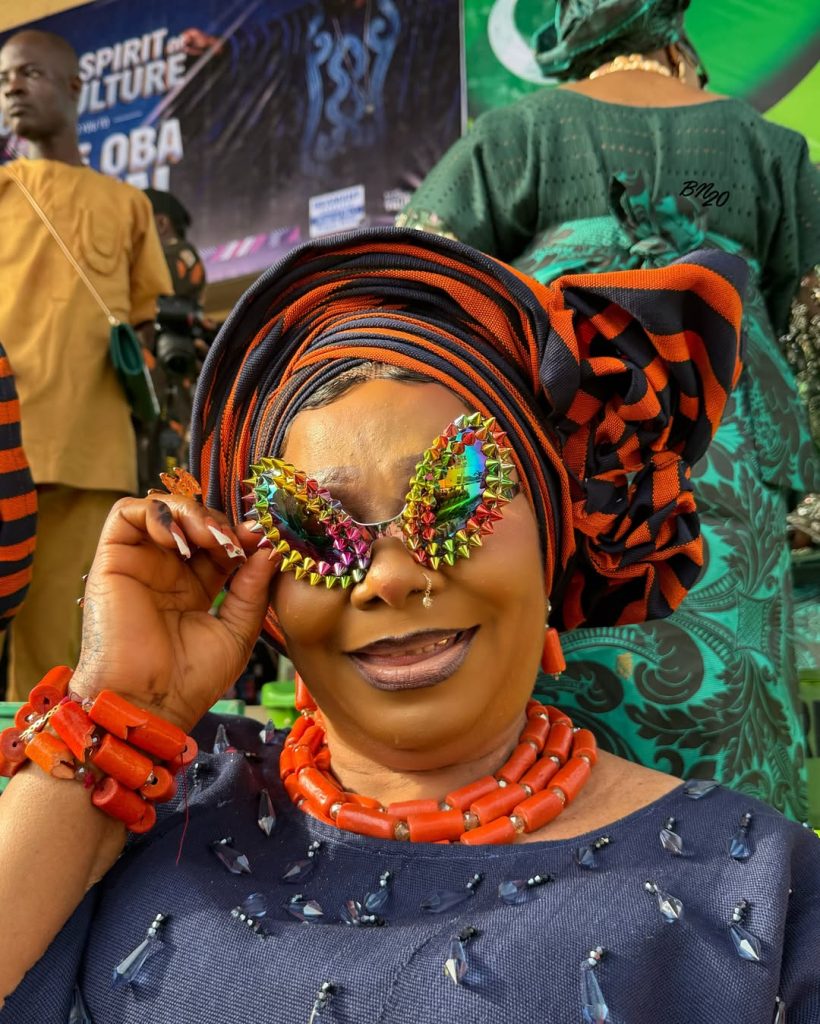
There is a moment at Ojude Oba when the distinction between spectator and spectacle dissolves entirely. It happens somewhere between the thunder of hooves and the rustle of aso oke, when a woman tilts her head just so, and the sunlight catches the rim of her sunglasses—beaded, baroque, impossibly sculptural—and suddenly, the eyewear is no longer an accessory. It is the architecture. It is the attitude. It is the crown.
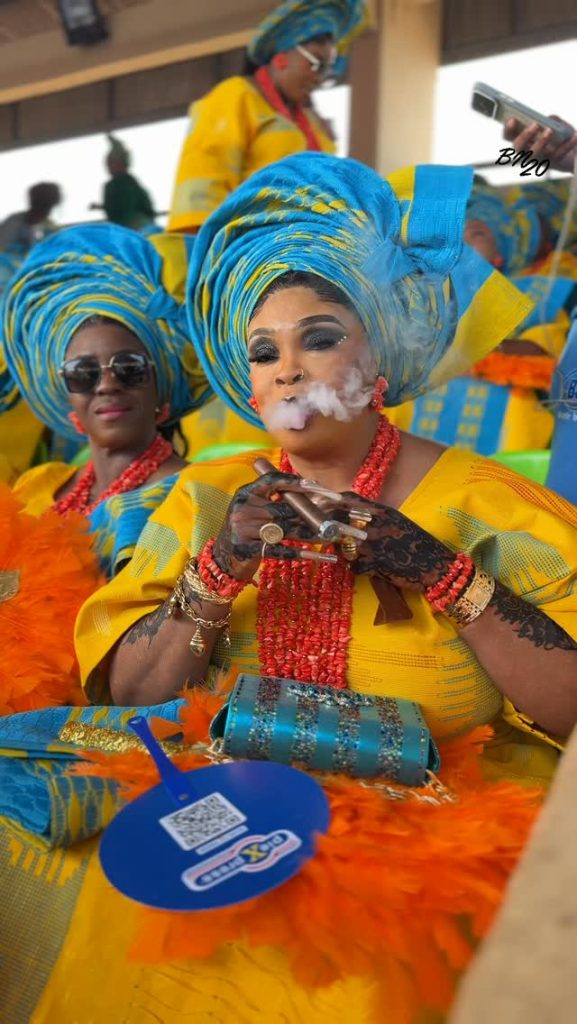
The 2026 edition of Ojude Oba, the annual festival held in Ijebu-Ode, Nigeria, in honour of the Awujale of Ijebuland, arrived this year with its usual operatic grandeur: horses draped in gold filigree, agbada silhouettes that swallowed the horizon, and gele constructions so vertiginous they seemed to negotiate with the clouds. But it was the sunglasses—their audacity, their excess, their refusal to be mere function—that emerged as the festival’s true protagonist.
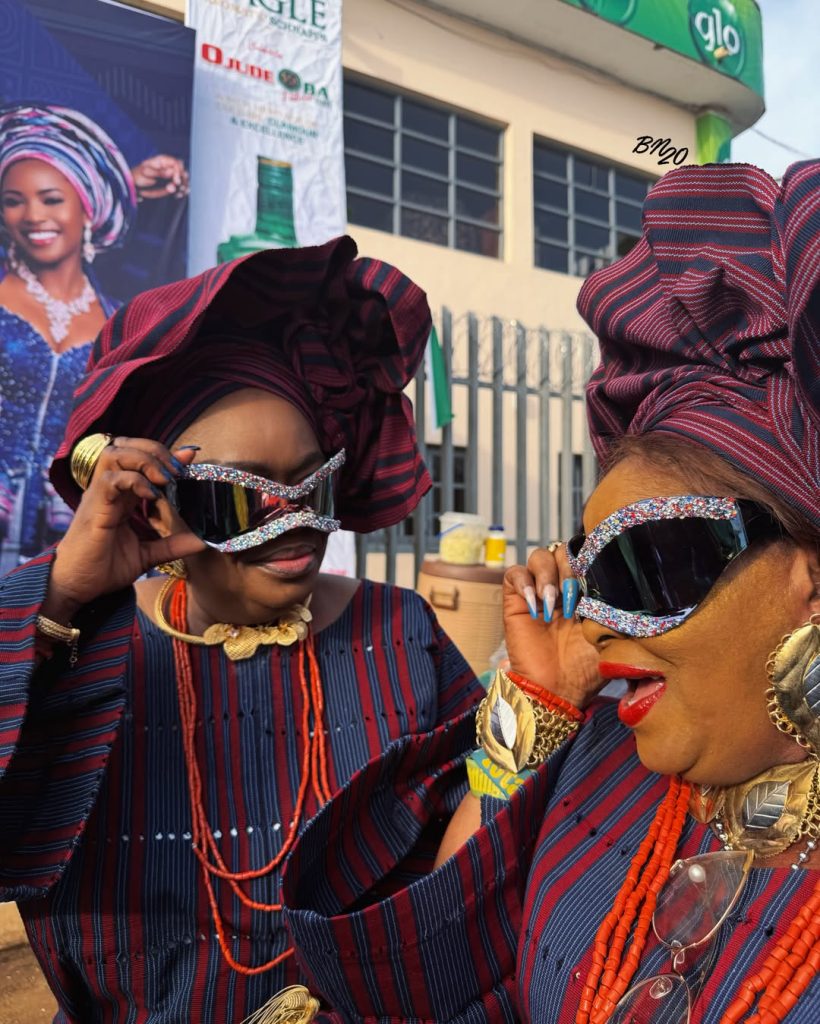
Consider the woman in the burnt-orange gele and matching aso oke, her lenses rimmed with what appears to be hand-strung coral beads and crystal droplets. She does not wear these sunglasses; she deploys them. They are a declaration of lineage and levity simultaneously—a piece of armour that also winks. Or the matriarch in the navy-and-crimson striped ensemble, her frames dripping with gold chain tassels that sway in the harmattan breeze like pendulums of inherited wealth. These are not off-the-rack aviators. They are conversation pieces, commissioned heirlooms, wearable manifestos.
The Ojude Oba sunglasses have evolved far beyond sun protection. They are the festival’s secret language—a semaphore of status, age-grade affiliation, and personal mythology. The younger attendees favoured angular, almost architectural frames: iridescent lenses trapped in spiked neon casings, or heart-shaped silhouettes encrusted with rhinestones that caught the afternoon light like disco balls. One woman in a turquoise-and-yellow ensemble paired her look with frames that appeared to be dipped in molten gold, the lenses themselves tinted a defiant amber that turned the world into a perpetual golden hour.
But it was the older generations who truly understood the assignment. A woman in a pristine white iro and buba, her gele folded in the precise, gravity-defying style known only to Ijebu hands, wore sunglasses so minimal they were almost invisible—save for the single row of diamonds that traced the upper rim. The restraint was the flex. Nearby, another matriarch in a deep plum velvet aso ebi chose frames studded with what looked like miniature cowrie shells, a nod to pre-colonial currency and contemporary couture in equal measure.
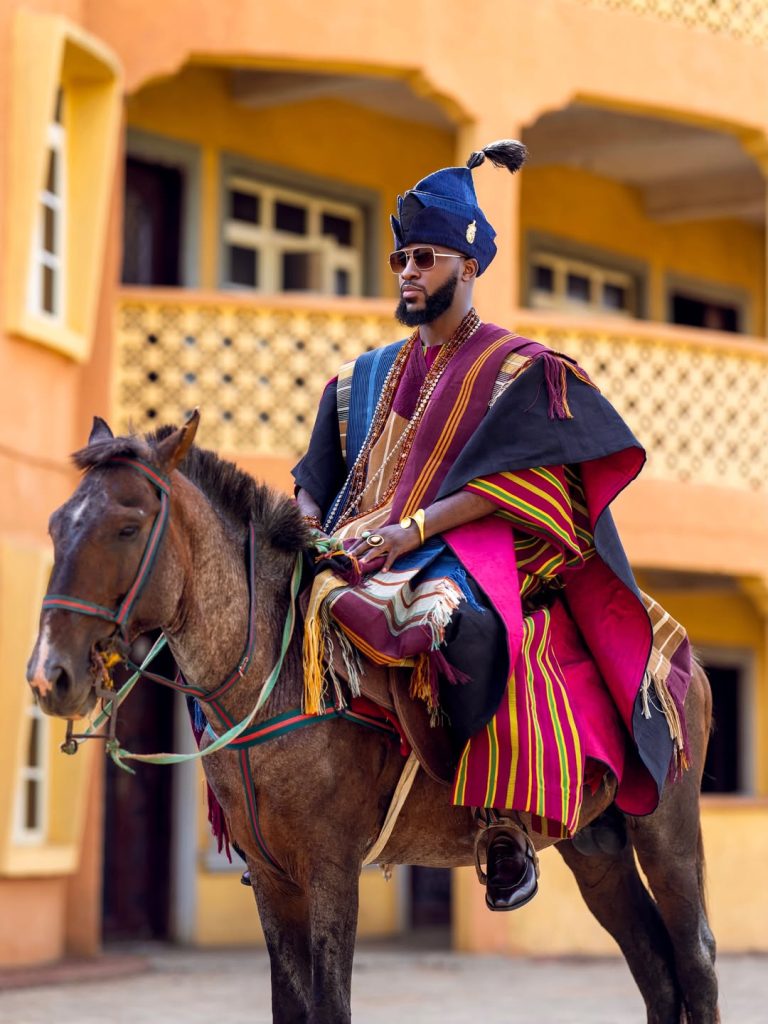
The men, too, participated in the ocular theatre. A rider in a fuchsia-and-indigo agbada, perched atop a horse caparisoned in matching regalia, wore mirrored aviators that reflected the crowd back at itself—an act of surveillance and self-possession. Another, in a structured navy filà and geometric-print agbada, opted for clear-lensed frames with tortoiseshell temples, the intellectual’s counterpoint to the festival’s maximalist energy.
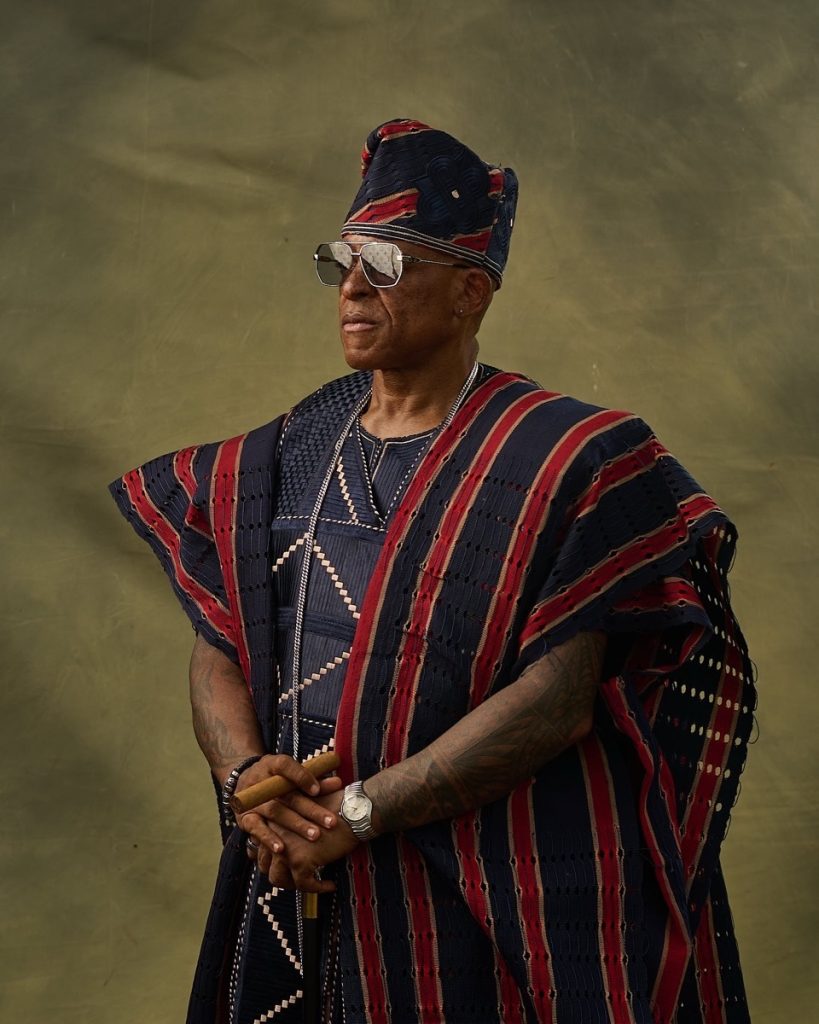
What unites all these choices is intentionality. At Ojude Oba, the sunglasses are not an afterthought snatched from a dashboard. They are curated, commissioned, and choreographed to complete a visual narrative that begins with the gele and ends somewhere beyond the horizon. They speak of travel—to Dubai for crystals, to Milan for frames, to the family jeweller for custom fittings. They speak of time: the hours spent in consultation, the fittings, the deliberation over whether gold or coral better complements the aso oke stripe.
And increasingly, they speak of global fashion’s gaze turning south. The sunglasses of Ojude Oba 2026 are not following trends; they are setting them. The exaggerated proportions, the mixed-media embellishments, the refusal to separate ritual from runway—these are the codes that luxury houses spend seasons trying to decode. Here, they are lived. Inherited. Worn with the nonchalance of someone who has never needed permission to be extraordinary.
As the festival drew to a close and the horses were led away, the gele carefully unpinned and folded for next year, the sunglasses remained—perched on heads, dangling from beaded chains, tucked into embroidered clutches. They are the souvenirs that outlast the day, the pieces that will be borrowed by daughters, referenced by designers, remembered by anyone who understood that at Ojude Oba 2026, the most powerful statement was made not with the mouth, but with the eyes—shielded, adorned, and utterly unmissable.